5 main differences between circular vibrating screen and linear screen
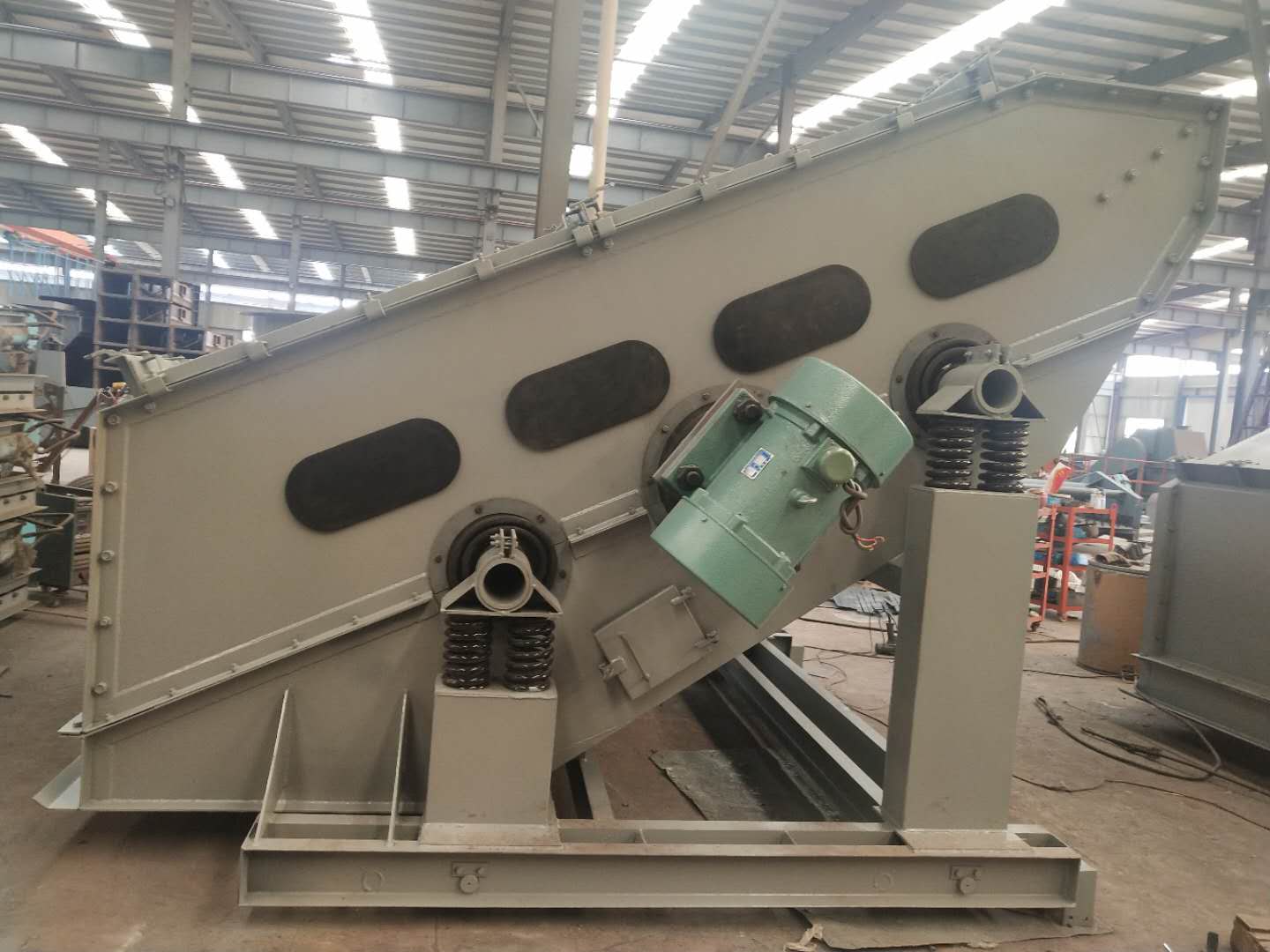
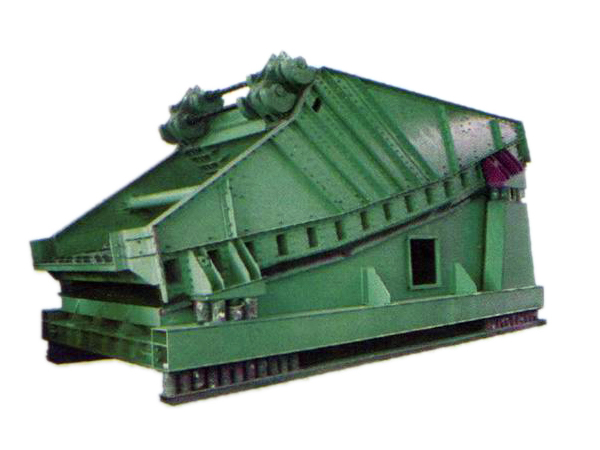
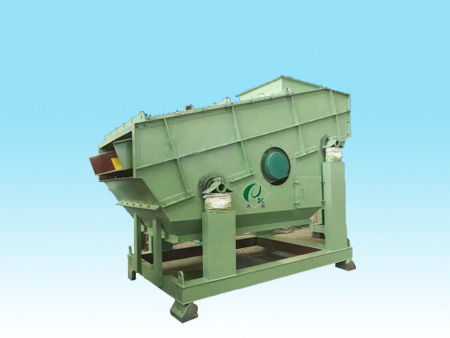
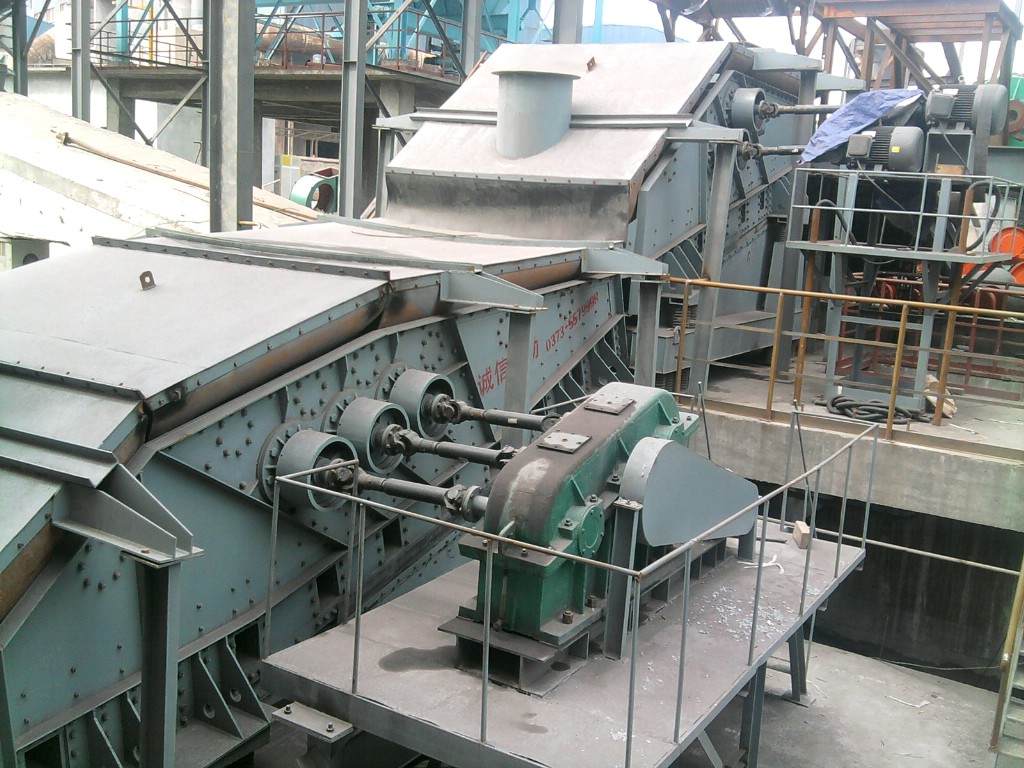
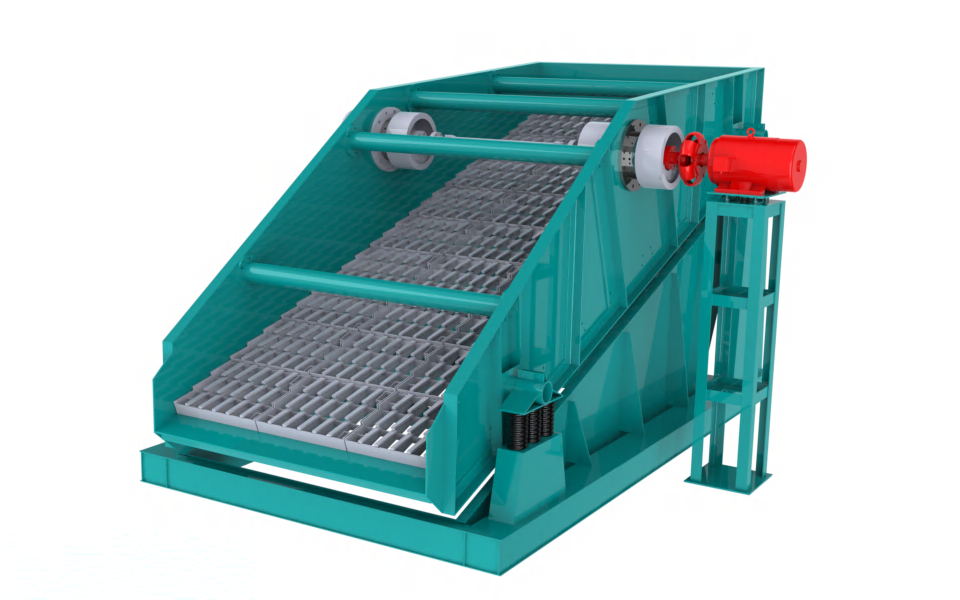
Circular vibrating screen is actually a method of using the centrifugal
force generated by the rotation of eccentric blocks in a vibrator to force
continuous circular or approximately circular motion of parts such as the screen
box and vibrator. The material undergoes continuous throwing motion on the
inclined screen surface with the sieve box; Layering occurs when thrown up; When
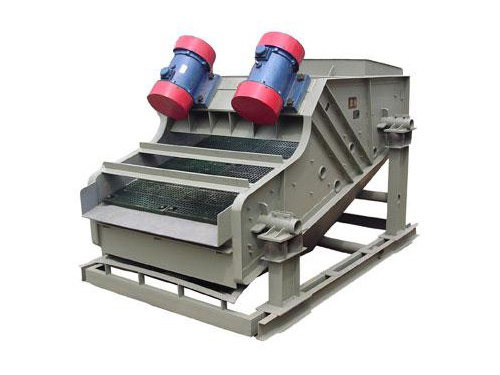
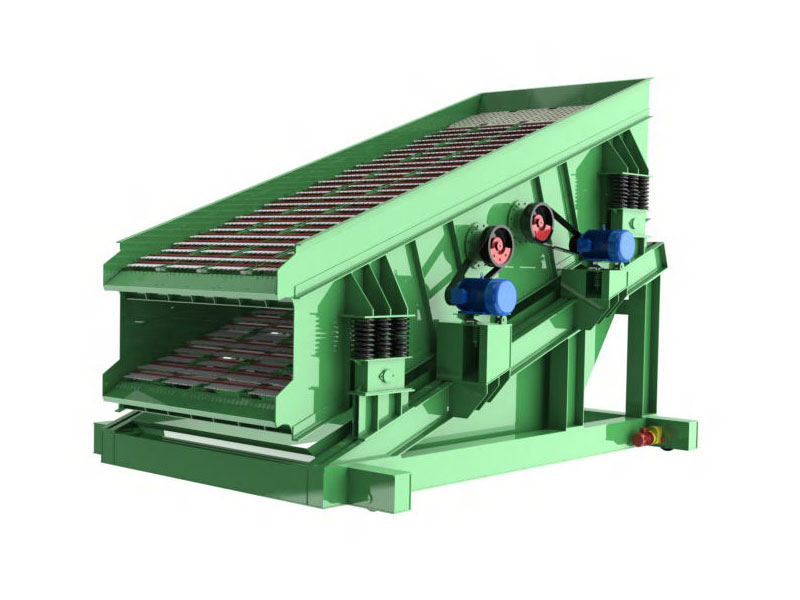
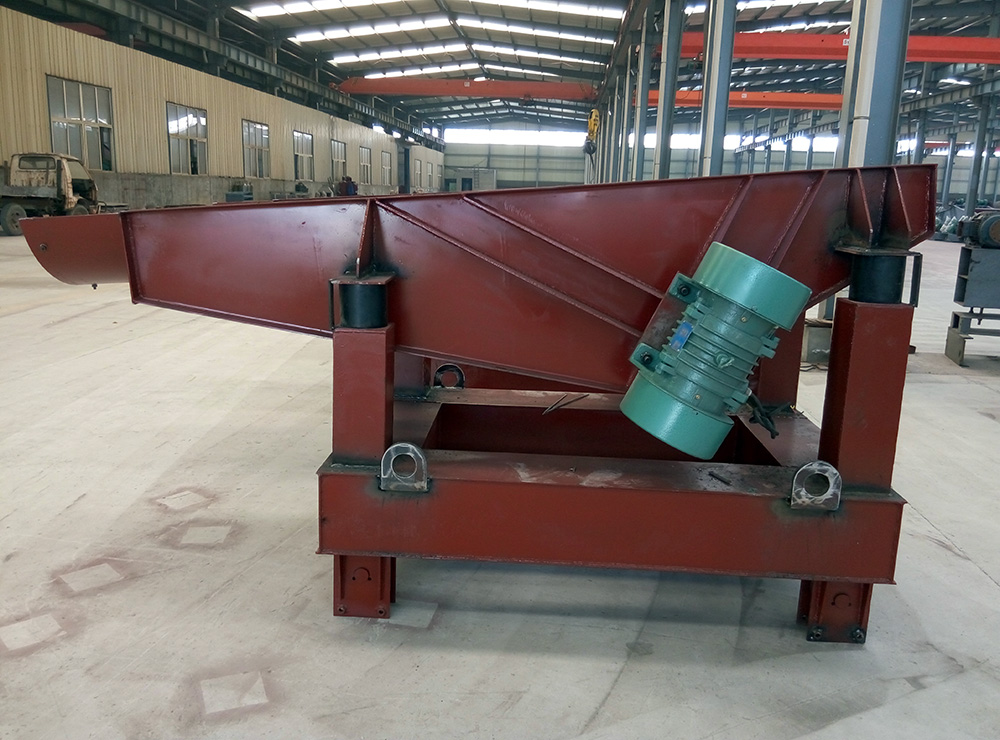
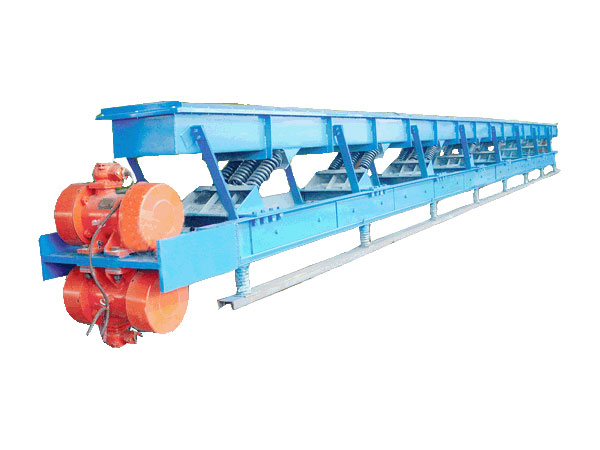
falling, the particles will pass through the sieve. Linear vibrating screen is a type of screen that uses a vibrating motor to
stimulate the lifting force, causing the material to be thrown up on the screen
and move forward in a straight line. The material is evenly fed into the feed
inlet of the screening machine from the feeder, and through multiple layers of
screens, several specifications of sieved material and undersized material are
produced and discharged from their respective outlets. It is widely used in the
mining industry. From the literal meaning, it can be seen that the circular vibrating screen
and the linear screen are different in appearance. So, are there any other
differences besides this? Let me introduce you to the 5 main differences between
circular vibrating screens and linear screens! Difference 1: Different materials The materials used for the production of linear vibrating screens are
mostly lightweight or stainless steel plates. The circular vibrating screen is made of thick materials, and the box is
made of manganese steel, which can resist the impact force of materials during
the screening process. Difference 2: Different exterior structures The linear vibrating screen can adopt a fully enclosed structure, without
dust spillage, which is more conducive to protecting the environment. The exciter of the circular vibrating screen is arranged above the center
of gravity of the screen box, and the material can quickly disperse. The
processing capacity per unit time is higher than that of the linear vibrating
screen. Difference 3: Different application fields Linear sieve mainly screens fine particles, materials with low hardness and
light density, mainly in the form of fine particles, dry powder or micro powder
materials. It is usually widely used in the chemical, building materials, food
and pharmaceutical industries. Circular vibrating screen is mainly used to screen materials with large
particles, high specific gravity, and high hardness, and is widely used in
mining industries such as coal, mining, and quarrying. In addition, some
difficult to screen materials can also be screened using a circular vibrating
screen. Difference 4: Different motion trajectories The material on the linear sieve moves forward in a straight line. The material on the circular vibrating screen undergoes circular
motion. Difference 5: Different installation angles The inclination angle of the screen surface of the linear vibrating screen
is relatively small in production, and the height of the screen is reduced,
which is convenient for production. Circular vibrating screens usually have an installation inclination angle
of 15-20 degrees, which changes the speed of material movement along the screen
surface and improves its screening efficiency. In summary, we can find that there are differences between circular
vibrating screens and linear screens in five aspects: material, external
structure, application field, motion trajectory, and installation angle.
Therefore, when using or purchasing both, it is important to distinguish which
type of vibrating screen it is.